India Becomes Asia’s 3rd Most Powerful Nation | PM Modi Ranks 2nd in Leadership | Dr. Manish Kumar
India has retained its position as Asia’s third-most powerful nation, ranking ahead of Japan and Russia in the Lowy Institute’s Asia Power Index 2026.
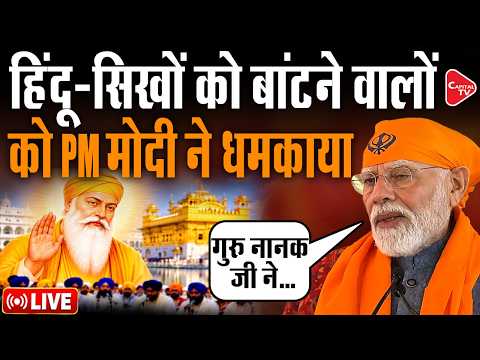
Prime Minister Narendra Modi joins Shabad Kirtan on the sacred occasion of Sri Guru Nanak Dev Ji’s Parkash Purab.
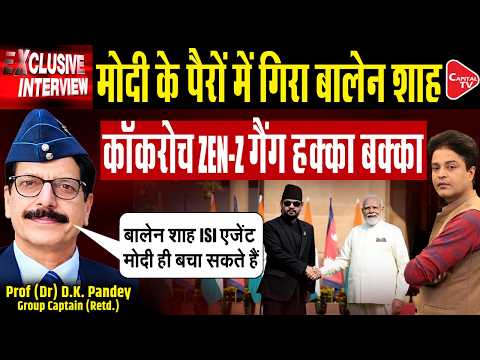
In a recent exclusive discussion on Capital TV, Group Captain Prof Dr. DK Pandey analyzed the strategic implications of the meeting between Indian Prime Minister Narendra Modi and Nepal's Prime Minister Balen Shah. The conversation focused heavily on the evolving geopolitical dynamics between New Delhi and Kathmandu, specifically addressing concerns regarding external influences. A core topic of the interview was whether China is actively trying to drive a wedge between the two neighboring nations to diminish India's traditional influence in the Himalayan region. Experts evaluated diplomatic measures needed to strengthen bilateral ties, maintain regional stability, and counter geopolitical interference. The discussion underscored the importance of proactive diplomacy and economic cooperation to ensure that bilateral relations remain resilient against external strategic competition and regional power struggles in South Asia.
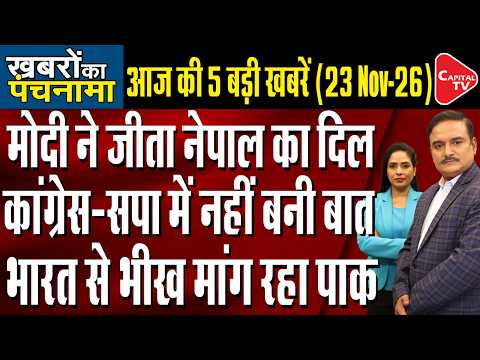
Today's top political developments highlight crucial updates from across the nation and neighboring regions. A major political deadlock emerged between the Samajwadi Party and Congress over seat-sharing arrangements, with alliance discussions reportedly collapsing within just twenty minutes. In diplomatic circles, discussions took place involving Prime Minister Narendra Modi and Balen Shah. Meanwhile, debates continue regarding the proposed name change for the state of West Bengal. In legal updates, YouTuber Dhruv Rathee faced a significant legal setback in court. Additionally, developments involving Dr. Manish Kumar drew attention as part of the day's major headlines. These events reflect significant shifts in domestic politics, legal proceedings, and diplomatic engagements, capturing widespread public interest and media coverage across various political platforms today.
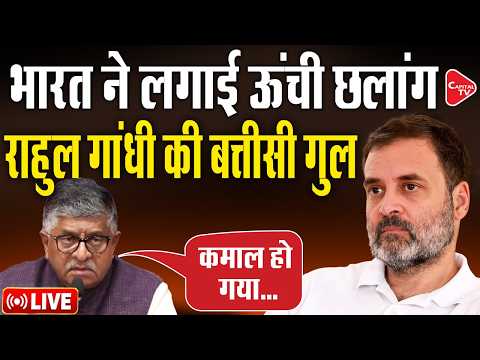
Senior Bharatiya Janata Party leader and Union Minister Ravi Shankar Prasad addressed a high-profile press conference at the party headquarters in New Delhi. The media interaction focused on key political developments, governance issues, and the party's official stance on recent statements made by senior Congress leader Rahul Gandhi. During the address, the BJP leader presented the party's perspective on national affairs and responded to various opposition allegations. The conference comes amidst heightened political activities in the national capital, with major political parties ramping up their outreach and strategy ahead of upcoming electoral battles. Prasad elaborated on several policy matters and emphasized the administration's achievements, while strongly countering the narrative set by the opposition camp regarding critical national matters.
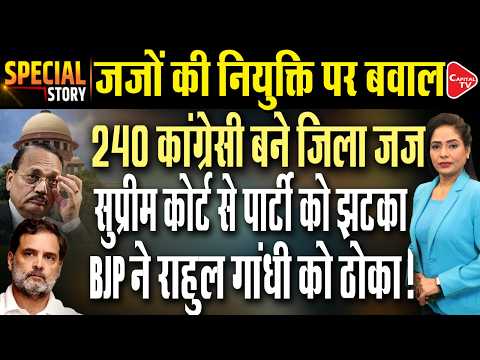
A fresh political controversy has emerged in India regarding judicial independence, sparked by recent remarks from BJP MP Nishikant Dubey. Targeting senior Congress leader Rahul Gandhi, Dubey alleged that the past Congress government, led by Indira Gandhi, historically attempted to undermine the judiciary's autonomy. He specifically referenced the 1966 judicial appointment controversy and the 20th Constitutional Amendment, claiming that politically connected individuals were appointed as district judges during that period. This renewed debate highlights ongoing tensions between political parties over the appointment processes within India's judicial system, drawing significant public attention and debate across the nation.
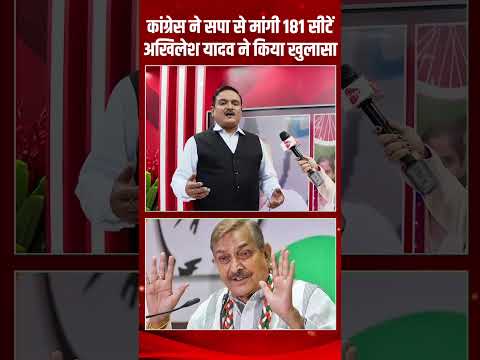
During a recent media interaction, Samajwadi Party chief Akhilesh Yadav made a significant disclosure regarding seat-sharing negotiations for upcoming elections in Uttar Pradesh. He revealed that the Congress party had demanded a substantial 181 seats from the alliance. This statement has triggered intense political discussions across the state, shedding light on the complex behind-the-scenes deliberations between the major opposition constituents of the INDIA bloc. The high demand highlights the ongoing strategic bargaining and tension over candidate selection and regional dominance as parties prepare to challenge the ruling administration. Political analysts are closely monitoring how this development will impact the final seat-sharing formula and overall alliance dynamics in the politically crucial state of Uttar Pradesh.
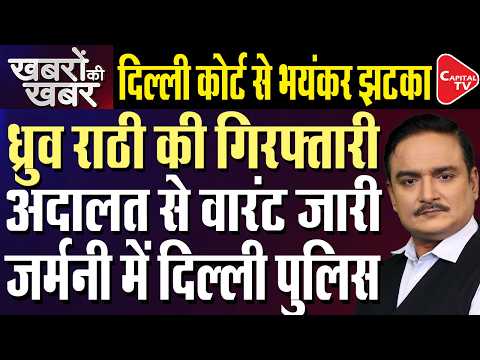
A Delhi court has issued a non-bailable warrant against prominent YouTuber Dhruv Rathee in connection with a 2018 defamation case. The legal action stems from a complaint filed by Vikas Sankrityayan, the founder of The Frustrated Indian, who accused Rathee of publishing defamatory content. The controversy began over a video uploaded by Rathee, in which he alleged that the BJP IT Cell had attempted to bribe him. Sankrityayan argued that the claims were false and damaged his reputation, leading to the ongoing defamation lawsuit. The issuance of the non-bailable warrant follows Rathee's failure to appear before the court for hearings related to the case. The court proceedings will determine the next legal steps as the matter progresses further.
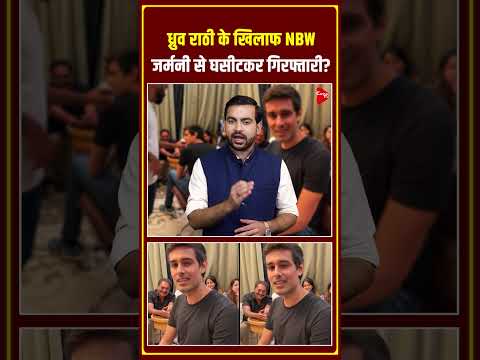
A controversy has erupted surrounding popular YouTuber Dhruv Rathee following reports regarding legal actions against him. Capital TV recently broadcasted a segment discussing the issuance of a non-bailable warrant (NBW) against the content creator and speculations concerning his potential arrest and return from Germany. The report highlights the escalating tensions between the YouTuber, known for his critical political commentary, and various authorities or political figures in India. Legal experts and commentators analyzed the implications of these developments on free speech and the enforcement of judicial processes across international borders. While social media platforms are abuzz with diverse opinions and unverified claims, official legal channels continue to examine the jurisdiction and procedural aspects of the case. Supporters argue that these actions are politically motivated to silence dissent, whereas critics maintain that the law must take its course regardless of one's digital influence or geographic location.
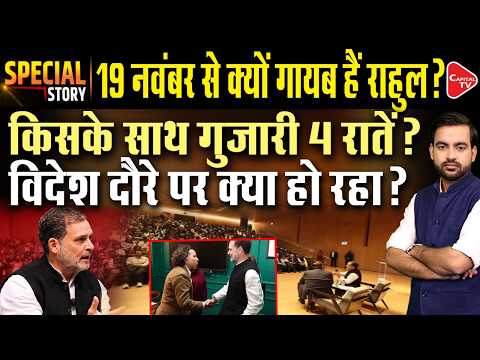
Leader of the Opposition in the Lok Sabha, Rahul Gandhi, has remained out of the public eye following his speech in Chicago on November 18. This absence has sparked significant debate regarding his current location and future political schedule, especially as the Parliament Winter Session approaches and reports suggest a planned trip to Manipur on November 26. In response to his disappearance, Bharatiya Janata Party leaders have raised serious concerns, alleging that Gandhi frequently meets with foreign organizations and individuals, such as those connected to George Soros, that allegedly operate against national interests. Conversely, the Congress party has strongly denied these accusations, dismissing them as politically driven attacks by rivals. Additionally, recent personal comments made by Gandhi have generated considerable conversation across various social media platforms as observers await his return to active political duties.
Kathmandu Mayor Balen Shah's recent visit to India has sparked significant political discussions regarding his evolving stance on bilateral relations. Known previously for his hardline nationalist positions and sharp rhetoric concerning India, Shah's latest diplomatic engagements have led analysts to question whether this marks a genuine change in his foreign policy approach or a calculated political strategy. Capital TV's Dr Manish Kumar examines the complex dynamics behind this visit, exploring how shifts in leadership priorities at the local level can impact broader India-Nepal ties. The analysis delves into the geopolitical implications of engaging regional leaders and how such diplomatic outreach could reshape regional cooperation and diplomatic understandings between the two neighbouring nations moving forward.
The Enforcement Directorate has summoned top Punjab bureaucrats, including Chief Secretary KAP Sinha and Finance Secretary Krishan Kumar, over alleged financial irregularities connected to the Greater Mohali Area Development Authority and the Punjab Small Industries and Export Corporation. In a separate development, BJP Rajya Sabha MP Satnam Singh Sandhu has also been summoned by central agencies regarding a distinct fraud investigation. These high-profile actions by the federal agency come at a crucial time, intensifying political tensions and sparking intense debates across the state as political parties begin preparing for the upcoming Punjab assembly elections scheduled for 2027. Opposition and ruling factions are locked in a war of words over the timing and intent of these probes.